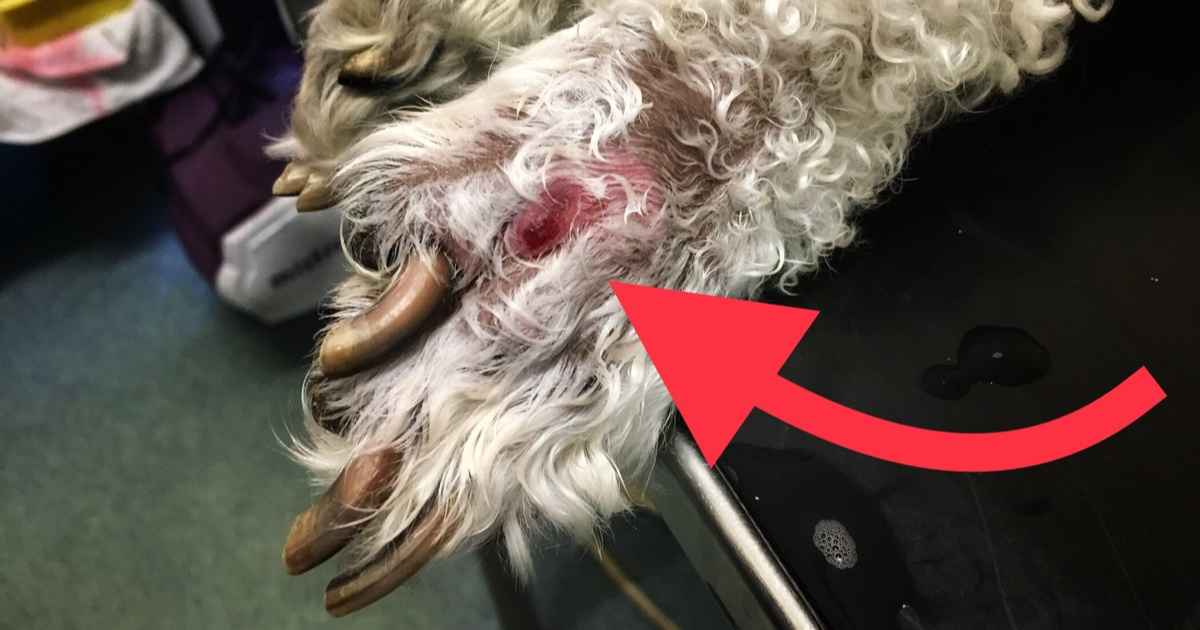
Grass awns have been known to migrate through the body wall and migrate to the chest and abdominal cavities.
Grass awn in dogs nose.

If grass awns are not removed in a timely fashion they will lead to the formation of painful abscesses which need regular drainage of fluids.
Grass awns have backward pointing barbs that prevent retrograde movement making removal difficult aka painful and causing them to migrate deeper with normal motion.
They may also become embedded in the body.
Grass seeds and awns in dogs may sound quite harmless but in some cases the damage that they cause can be so severe that it will threaten the life of your dog.
Use tweezers to get a firm grip on the foxtail.
Do not poke up your dogs nose where you cannot see.
What are the symptoms of grass awn infection.
If a dog has an awn stuck in its nasal cavity sneezing is usually among the first symptoms says dr.
After a while the problem might result in nasal drainage or infection.
The problem with grass awns is that they are difficult to be located.
The inside of a dog s nose is very intricate with three scroll like tissues of mucus membranes so lots to look through.
Dogs often get cheat grass in their nose.
A dog might also excessively rub its nose.
Grass awns may get caught in a dog s paws nostrils face and ears.
When a grass awn is embedded the body responds with inflammation.
Grass seeds and awns in dogs nose throat ears.
What are the symptoms of grass awn infection.
Most owners will confuse grass seeds and awns as freshly planted grass seed or the occasional awn that your dog comes in contact with in your yard.
Should you spot the grass awn make sure to remove it as quickly as you can.
Grass awns can be inhaled swallowed and even penetrate the dog s skin.
There may be blood coming out of one nostril.
They will come in from a romp in the field across the street with a sudden onset of sneezing and snorting.
If you can see the foxtail clearly on your dog s nose and cannot get your dog to a vet you can try to remove the foxtail yourself.
Pull gently but firmly along the long axis of the nose.